

“Here’s the way I see it...[a] guy puts a fancy guarantee on a box cuz he wants you to feel all warm and toasty inside...cuz they know all they sold you was a guaranteed piece of sh*t.” - Tommy Callahan (Chris Farley), Tommy Boy
One Takeaway
Accountability means facing consequences for results. Assurance often means making promises without them. When no one pays the cost for failure, no one has reason to prevent it.
Accountability vs. Assurance
Every day, politicians and bureaucrats around the world spend public money and promise it will help.
Fund this program. Support these organizations. Invest in this initiative. The language is always the same: this spending will make things better. These are good intentions.
But here’s what we rarely ask: what happens when things don’t get better? When the money is spent on things that don’t pan out?
When a business spends money on something that doesn’t work, the feedback is automatic.
Customers stop buying. Revenue falls. The business either adapts or closes. The people who made the decision or have ownership feel the consequences directly.
When government spends money on something that doesn’t work, the feedback is almost nonexistent. The program often continues. In fact, the budget often grows. The people who made the decision face no financial consequences. And if they’re a bureaucrat then they face no competitive pressure from voters.
This isn’t a story about good people vs. bad people. I personally choose to believe that most public officials are trying to do the right thing. I can’t prove otherwise and assuming people want to be wasteful on purpose isn’t helpful. Assuming positive intent is the right way to begin these discussions.
Instead, this is a story about the difference between two systems . One has built-in consequences for failure, and the other doesn’t.
That difference has a name. I call it accountability vs assurance.
What Assurance Looks Like
Assurance is a promise that things will work out. Assurances offer certainty and peace of mind. The problem is, assurances can be given without consequences.
You see, promises from people in places of authority can easily sound like they’re offered with accountability. Thee language sounds the same.
“This funding will support programs.”
“These resources will help families.”
“This investment will create jobs.”
These words carry confidence. When they come from people with good reputations that we trust, we can quickly take them at face value. They make us “feel all warm and toasty inside” like Tommy Callahan said.
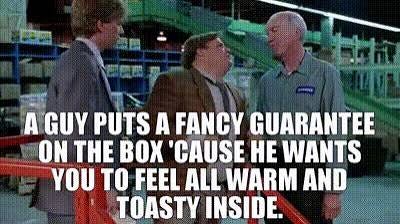
Source: Yarn

But often assurances miss the one thing that makes guarantees meaningful: skin in the game. What good is an assurance if:
Nobody loses their job if the program fails.
Nobody faces financial consequences if the money is wasted.
Nobody has to explain, with evidence, whether the spending actually produced results.
In these cases, when there’s nothing on the line, people have no incentive to produce good results. We end up operating with a hope that people are choosing to do good because they are good. We know that’s not always the case.
Assurance is what you get when decision-makers or authorities can make promises without facing consequences for breaking them.
What Accountability Looks Like
Accountability is different. Accountability means the people making decisions face real consequences when those decisions don’t work out.
In markets, a high (but not perfect) level of accountability is automatically built into the system.
A restaurant that serves bad food loses customers. A contractor who builds poorly loses contracts and faces liability. An investor who backs the wrong project loses money.
You don’t need a government agency to enforce these consequences. They happen naturally, through the choices of the people affected.
This isn’t because markets are perfect. They’re not. It’s because markets have feedback loops that connect decisions to consequences. Prices, profit and loss, reputation, competition — these mechanisms ensure that when something isn’t working, someone feels it.
Government spending doesn’t have these feedback loops. The people deciding where the money goes aren’t the people who earned it. There are no prices signaling whether one program creates more value than another. There’s no profit-and-loss mechanism forcing a course correction.
Without these feedback loops, an assurance, a promise without proof or consequence, is all you have.
What This Looks Like in Practice
In 2023, the NV state legislature passed a pair of last-minute appropriations bills. These bills directed more than $110 million in taxpayer funds to over 70 nonprofits and government organizations. The largest single allocation was $25 million to one organization. Grant sizes ranged from $5,000 to $15 million. The most common stated purpose for each grant was to support each recipient’s “programs” — without further detail.
On the surface, that language might sounds like it means something. But it carries no specifics, no metrics, and no mechanism for checking whether the money produced results.
It gets worse. At least 13 legislators had personal connections to organizations that received more than $33 million from these bills. One legislator was hired as executive director of a recipient organization the month after the session ended. The organization had never received state funds before.
None of this was technically illegal.
The NV legislature is exempt from its own open meeting and public records laws. The public couldn’t see how the bills were crafted or why certain organizations were selected. The vetting process happened behind closed doors.
In 2025, just two years later, NV faced a $191 million budget shortfall. Lawmakers needed to figure out what to cut. But the system built on empty promises and “just trust us” platitudes couldn’t tell them which of those 70-plus organizations had delivered results and which hadn’t. The information didn’t exist — because nobody had required it.
Twenty-six transparency-related bills were introduced during the most recent NV legislative session. The vast majority failed.
This Isn’t One State’s Problem
Every state has some version of this story. The details might be different, but the story is the same.
Legislatures dish out money based on assurances. “This will help.” “This is a good organization.” “This supports important work.” The promises are genuine. The intentions are often good. But the system doesn’t require proof, doesn’t track outcomes, and doesn’t create consequences for failure.
If no one is held accountable for the cost of failure then no one will take that cost into account.
The pattern feels unbreakable because political incentives favor assurance over accountability, similar to how they favor subsidized activity over sustainable prosperity.
Accountability is difficult and sounds boring. Assurances are neat and might even be flashy with ribbon cutting and press conferences.
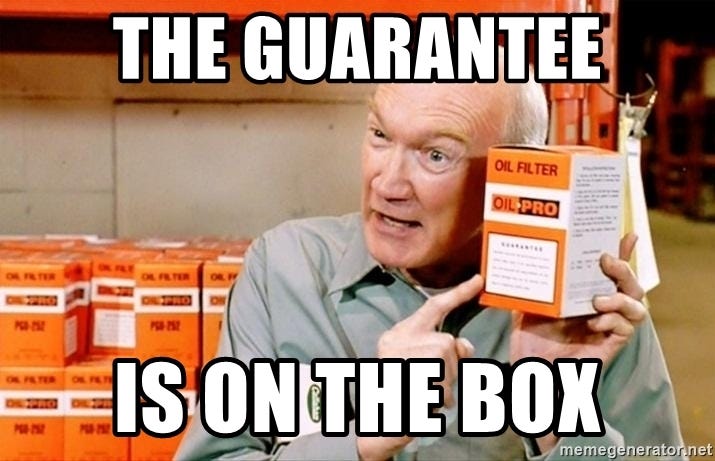
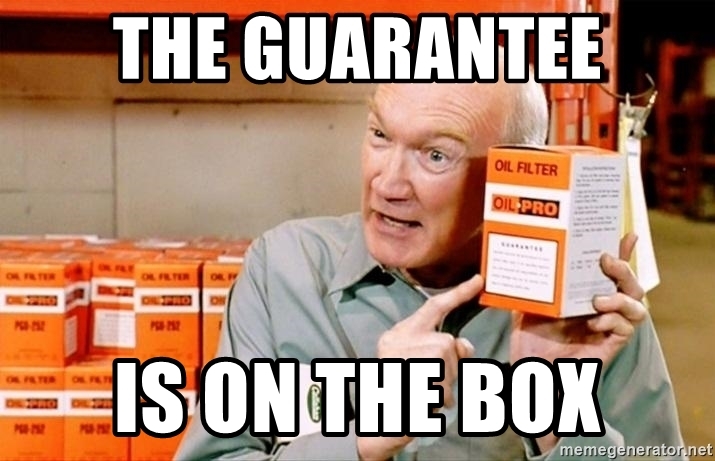
But, while accountability isn’t flashy, it does produce information. And sometimes that information is uncomfortable.
That information may tell you that a popular program isn’t working.
It may tell you that money went to the wrong places.
It may tell you things that may create problems for the people who approved the spending.
That’s exactly why it matters.
Turning Assurance Into Accountability
So long as governments take on these types of activities the goal should be to close the gap between promises and consequences.
Accountability requires basic things like:
Conflict-of-interest rules so we can ensure the people directing taxpayer money don’t have personal connections to the recipients.
Audits tied to outcomes so we can tell the difference between “trust us, it helped” and “here’s what happened.”
Sunset provisions that force programs to expire unless they show continued value. The question becomes “why should we keep funding this?” not “why should we stop?”
None of these ideas are radical, but they are inconvenient for those handing out taxpayer money.
The Bottom Line
We need to start asking one simple question. Who faces consequences when this money, program, or policy doesn’t work?
At first glance assurances appear like they have a layer of accountability. But they’re missing the one thing that makes those promises credible: consequences.
Accountability creates consequences. Consequences create information. Information creates better decisions.
Any time a group of people choose to spend taxpayer money we have a right to ask: is this based on accountability or assurance? Are there real consequences built into this spending, or just promises?
Or are we just making ourselves feel “warm and toasty?”
An earlier version of this was published by Nevada Policy Institute.